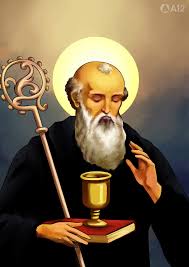
Saints (81)
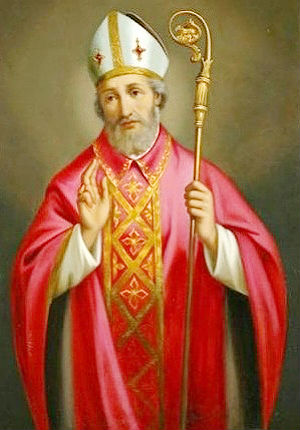
Saint Ambrose
Saint Ambrose (340-397)
Among the great holy Doctors of the Western Church, Ambrose was Bishop of Milan, a writer of hymns, initiator of Mariology. He embodies the ideal of the pastor. Remembered by the Church on 7 December, he was the author of famous liturgical texts and inflexible against heresy.
Personal Life
These were times of lacerating social divisions. On 7 December 374 in a church in Milan the discussion had become animated. The thorny question of the naming of a new bishop of the city, capital …
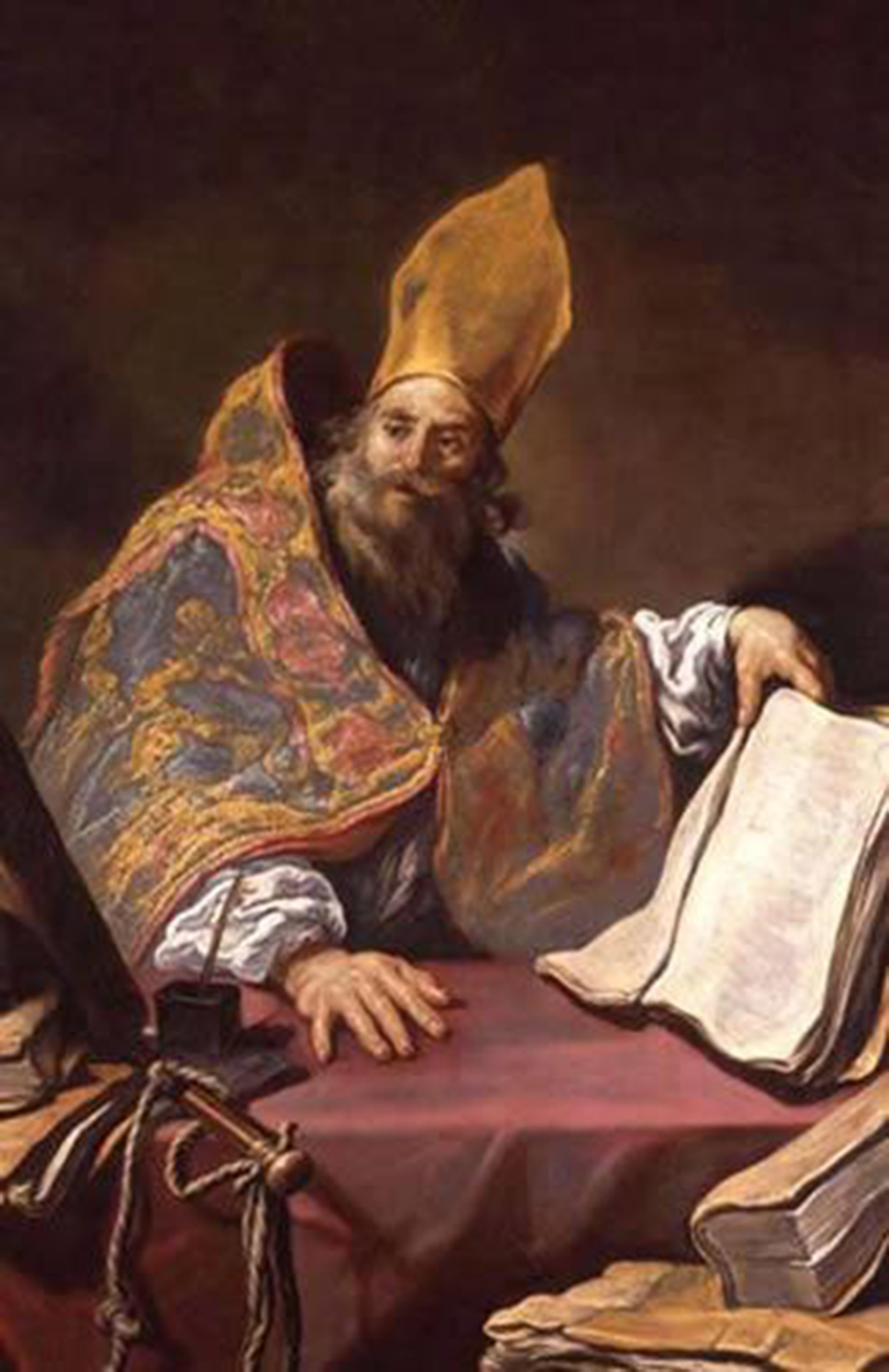
Saint Andrew
Saint Andrew (1st century AD)
Remembered on 30 November each year, Andrew the Apostle is Patron Saint of the Church of Constantinople. The brother of Saint Peter, he was the first apostle to be called by Jesus and to have been martyred on a diagonal cross. He is patron of fisherman.
Personal Life
“We have found the Messiah”, expresses the great joy of the apostle Andrew. Those are the words we find in John’s Gospel when Andrew rushes to meet his brother Simon Peter to tell him what he has discovered and to shar…
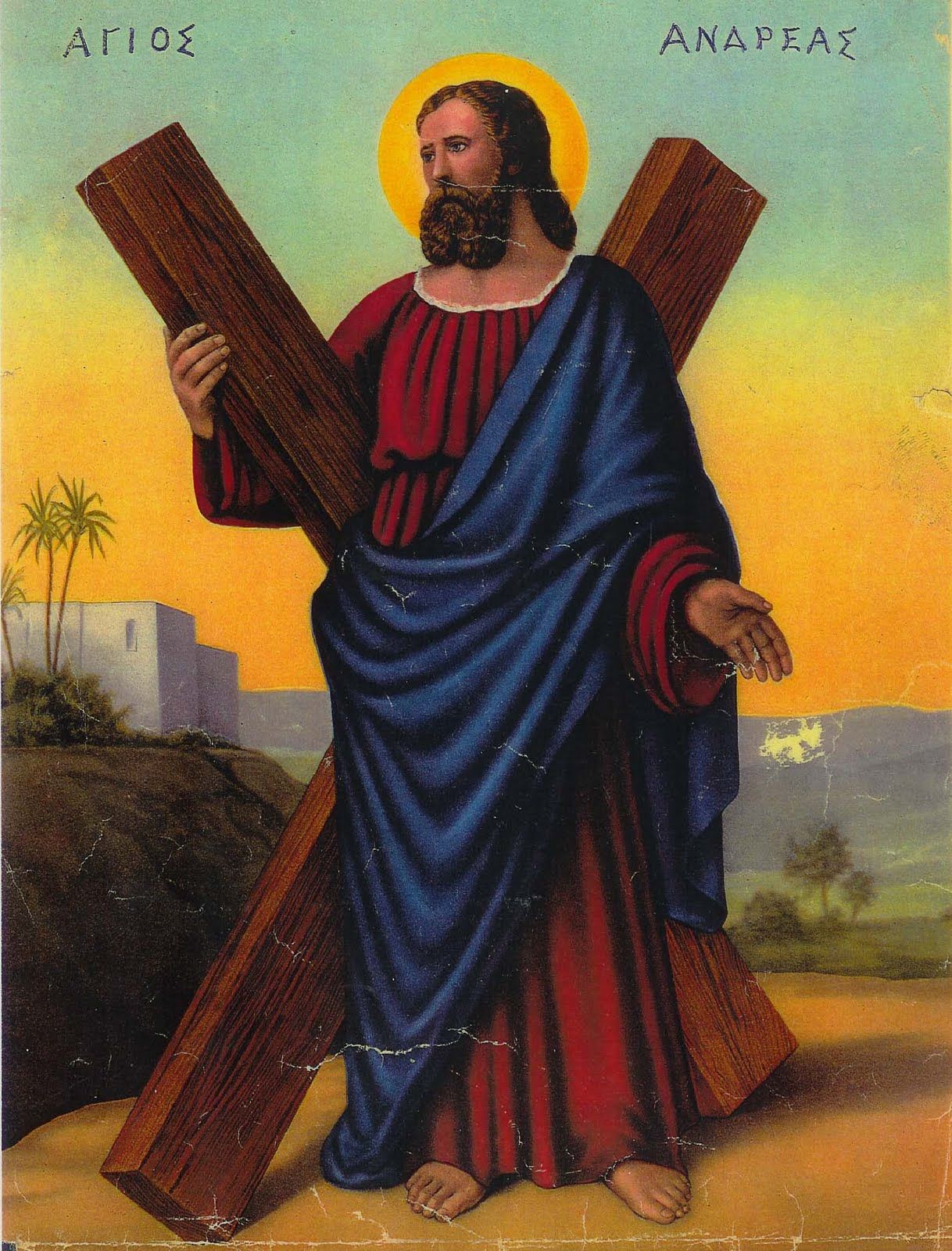
Saint Anne
Saint Anne (1st century BC)
Saint Anne is revered in Christian tradition, particularly in Catholic theology, as the mother of the Virgin Mary and the maternal grandmother of Jesus Christ. Although not mentioned in the Bible, her story comes from early apocryphal writings like the Protevangelium of James. She is considered the patron saint of mothers, grandmothers, and miners, with a feast day celebrated on July 26.
Personal Life
Saints Joachim (sometimes spelled "Joaquin," pronounced "wal-keem") and Anne, are …
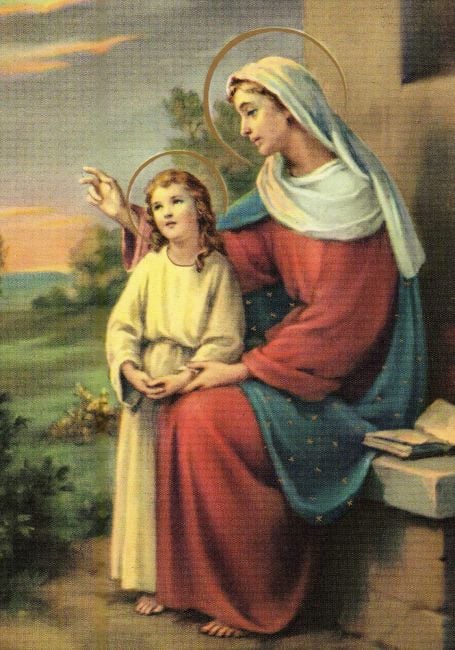
Saint Anselm of Canterbury
Saint Anselm of Canterbury (11th century AD - 1109 AD)
Saint Anselm of Canterbury (1033–1109) was an Italian-born Benedictine monk, philosopher, and the Archbishop of Canterbury from 1093 to 1109. Widely known as the "Father of Scholasticism", he is most famous for formulating the ontological argument for the existence of God and his "faith seeking understanding" theological framework.
Personal Life
St Anselm was born in 1033 (or at the beginning of 1034) in Aosta, the first child of a noble family. His father was a coarse man dedicated …
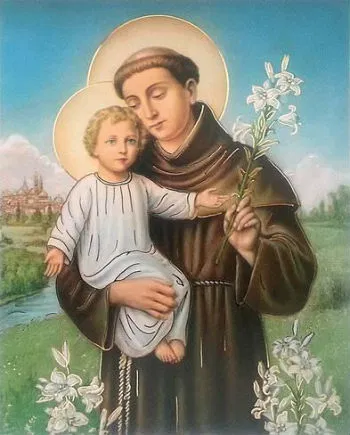
Saint Anthony
Saint Anthony (1195-1231)
A tireless preacher and confessor, Saint Anthony of Padua realized in his life a perfect balance and synthesis of hands-on pastoral work and retreat into intense spiritual solitude, love of neighbor and love for God. His memory is kept on June 13.
Personal Life
Born into a noble family at Lisbon, Portugal, in 1195 (on August 15, it is believed), and baptized Fernando, the man we would come to know as St. Anthony was 15 years old when he entered the Canons Regular of St. Augustine. H…
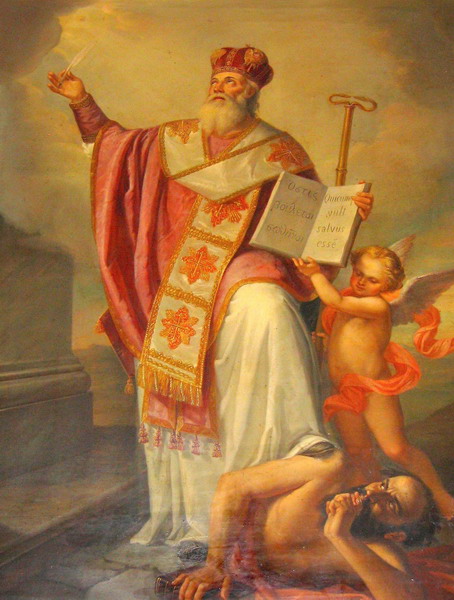
Saint Athanasius
Saint Athanasius (296-373)
Saint Athanasius of Alexandria (c. 296–373) was a 4th-century bishop, theologian, and Doctor of the Church, renowned as the "Father of Orthodoxy" for his staunch defense of the Trinity and Christ's divinity against Arianism. As Patriarch of Alexandria, he championed the Nicene Creed, enduring five exiles to uphold true faith.
Personal Life
A lone bishop against all, including the Emperor, in the defense of the Niceo-Constantinopolitan Creed, commonly called the Nicene Creed, fearless…
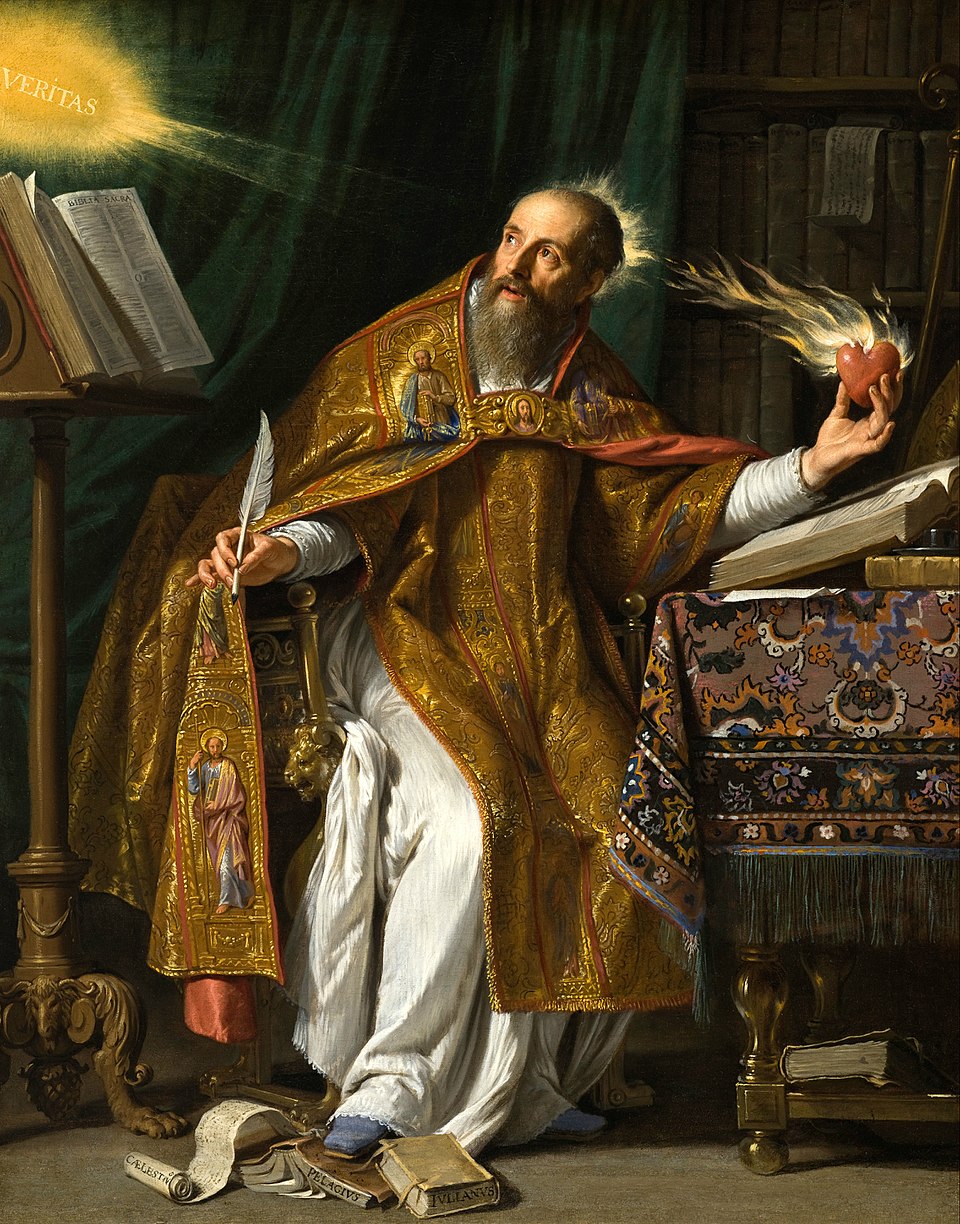
Saint Augustine
Saint Augustine (354-430)
St. Augustine of Hippo, Bishop and Doctor of the Church, was an indefatigable truth-seeker. The author of hundreds of books, tracts, treatises and letters. He was born in Thagaste on November 13, AD 354, and died in the city of Hippo (present-day Annaba in Algeria), on August 28, AD 430.
Personal Life
Augustine’s mother, St. Monica, reared him in the Catholic faith, but he did not follow her example. A lively, witty and exuberant teenager, Augustine undertook the study of rhetoric,…
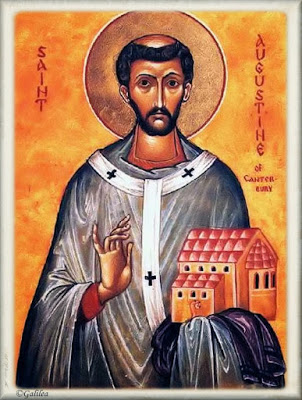
Saint Augustine of Canterbury
Saint Augustine of Canterbury
St. Augustine of Canterbury was a 6th-century Benedictine monk sent by Pope Gregory the Great to Christianize Anglo-Saxon England. Arriving in 597 AD, he became the first Archbishop of Canterbury, founded the English Church, and is revered as the "Apostle to the English".
Personal Life
At the end of the sixth century, anyone would have said that Augustine had found his niche in life. Looking at this respected prior of a monastery, almost anyone would have predicted he would spend his…
Saint Barbara
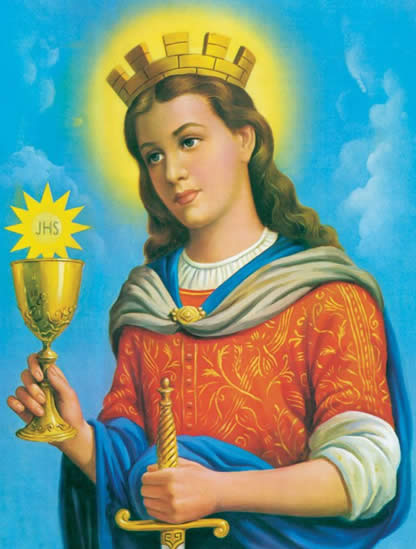
Saint Barbara (273-306)
Saint Barbara was a 3rd-century Christian Greek martyr, revered as one of the "Fourteen Holy Helpers" for protection against sudden death, lightning, and fire. According to tradition, her pagan father imprisoned her in a tower, where she converted to Christianity, leading him to behead her before being struck by lightning. She is the patron saint of artillerymen, miners, and firefighters.
Personal Life
Saint Barbara, a martyr from the third century, is the Patron Saint of Firefighte…
Saint Basil the Great
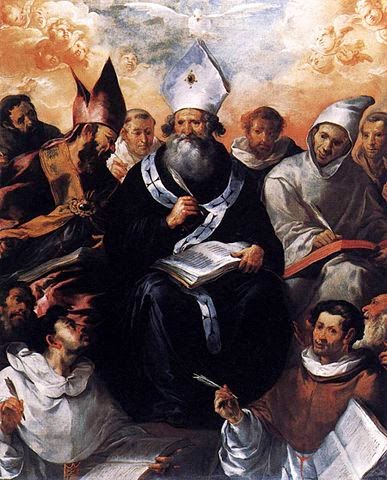
Saint Basil the Great (330-379)
St. Basil the Great (c. 329–379) was a 4th-century bishop of Caesarea, Church Father, and Doctor of the Church known for defending Nicene orthodoxy against Arianism. As akey "Cappadocian Father," he shaped Trinitarian theology, organized monastic life, and established massive philanthropic institutions, including the "Basiliad" hospital.
Personal Life
St Basil, described by Byzantine liturgical texts as "a luminary of the Church". He was an important Bishop in the fourth century to w…
Saint Bede
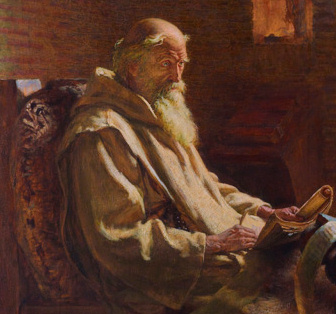
Saint Bede, the Venerable (7th century- 8th century)
St. Bede (c. 672 – 735), also known as "The Venerable Bede," was an Anglo-Saxon monk, scholar, and theologian. Known as "The Father of English History," his writings profoundly shaped Early Medieval Europe and provided the most comprehensive account of the early English church.
Personal Life
Bede was born in the north-east of England, to be exact, Northumbria, in the year 672 or 673. He himself recounts that when he was seven years old his parents entrusted him to the Abbot of the ne…
Saint Benedict
Saint Benedict (480-547)
Born in the central Italian mountain town of Norcia (Nursia) around AD 480, St. Benedict became one of the most important catalysts for the creation of a new European culture after the fall of the Roman Empire in the West (traditionally dated to AD 476). The system of monastic life he developed and nourished spread centers of prayer and hospitality throughout the continent. Benedictine monasteries were not only spiritual and cultural centers, but also a source of sustenance and relief for pilgr…